The Cubs Denouement

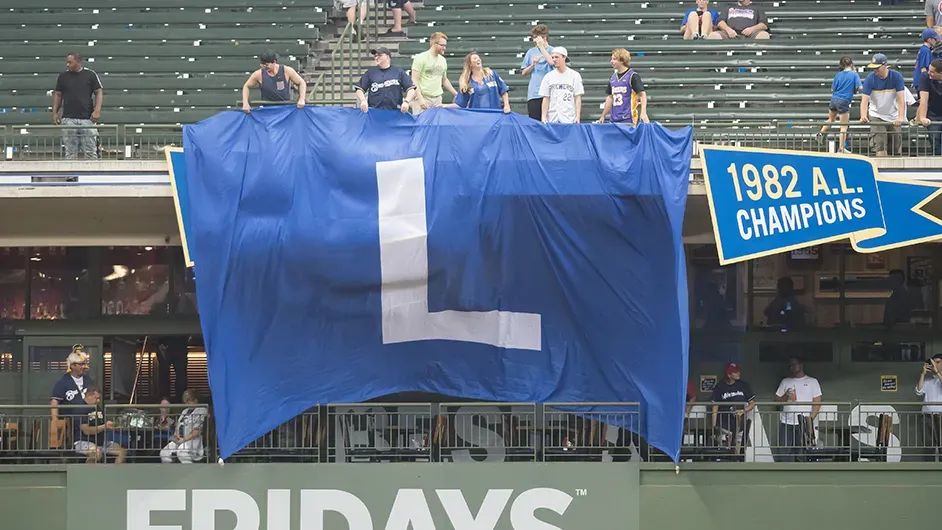
It went as it was designed to do.
After it was all over, and the traveling rabble packed back off down I-94, I didn't get the sense that there was much outrage about the Cubs Division Series loss to the Brewers. Sure, having it come at the hands of the neighbors up north makes it sting a little more, knowing that Cubs fans will be hearing about it for the next few years until A. the Cubs beat Milwaukee in the playoffs themselves, B. win the World Series first, or C. both teams' fortunes kind of peter out over the next little while and no one can be fucking bothered to rile up much emotion about either.
The lack of true outrage probably stems from an acceptance that this is what the Cubs were designed to do. Win 88-92 games, if that's good enough to win the division great, but it's no sweat off the Ricketts' back if it's only good enough for second. Then it's about wishing, though not all that hard, that some things keep falling their way in the playoffs, which can happen but don't as often as the better team just wins. It's a "keep spinning the wheel" method of contention. We've seen it in town enough, and we'll get to that.
The Cubs can, performatively, rue their luck about Cade Horton getting hurt, and perhaps he would have been the difference in a series that went the distance. But that ignores that the Brewers were without Brandon Woodruff. It also ignores that it was easy to tell months ago that the Cubs rotation, even with Horton, was not built to get to and through October. Matthew Boyd was always headed for a deflation after the All-Star break, given the paucity of innings he had thrown in the previous seasons. Shota Imanaga's numbers suggested he was ticking loudly. Even expecting Horton to get through a playoff run was some level of wishcasting. It was easy to anticipate the Cubs would be a starter or two short in the fall. The Cubs just didn't care.
If MacKenzie Gore was actually available at the deadline, whatever the cost, that could have put the Cubs over the top, too. Another bench bat wouldn't have hurt. But that was too ambitious for Jed Hoyer and his bosses. You get what you pay for, which is out on their ass.
I've seen this movie before. It was Bill Wirtz's Hawks. Dollar Bill was famous for telling his GMs that making the playoffs was the goal, and Stanley Cups were too expensive. Some of Bill's teams were able to rise out of a mud-filled Norris Division to get close enough to a Cup, if "close enough" could be defined as getting utterly waxed by Edmonton or Calgary. Or when Mike Keenan was briefly given enough rope to create one really good team, and then had it taken away when Bob Pulford once again promised Wirtz he could do it cheaper. But some seasons, playoff bounces went their way just long enough to threaten. Belfour got hot, or Denis Savard could channel the '85 version of himself for a couple weeks, or Brent Sutter thinks it's 1982 again. At least until the Hawks ran into teams that were really going for it, i.e. Colorado, Detroit, Pittsburgh.
When Doug Weight or Keith Tkachuk were really needed, we got Murray Craven and Joe Murphy. I lived through it once, and don't feel the need to do it again.
And yet, MLB's structure can convince a lot of people that what the Cubs do is the prudent fashion. Maybe the Cubs do sell out at the deadline for Gore. Maybe that's enough to chase down the Brewers over the last two months, maybe it isn't. Either way, it's likely that the Cubs end up in a Division Series against Milwaukee either way, which is where they ended up as it is. Perhaps only the setting for Game 5 is different, whatever difference that makes. It's not like the NHL or NBA, where #1 seeds do get a real benefit in matchups, at least not usually. The variance of playoff paths in MLB just isn't all that wide.
Look at the Reds. The Reds had a dominating pitching staff, and could have at least hinted at competing for the division if they'd acquired just two more hitters over last winter. But most likely, they would have ended up with a win-total in the high-80s...and ended up as a wildcard, probably playing the Dodgers, as they did, anyway. The argument that teams need to be more ambitious gets pretty swallowed up by how MLB has expanded the playoffs.
The uproar about breaking up the Phillies only adds to that. They had the NL's best record, lost one of the three best pitchers in the National League, and lost a split-decision to the other best team in the National League. Apparently, to a lot of people, that means it's all over for them. It's not hard to see why certain front offices and ownerships don't want that hassle, as cynical as it is.
Who knows what the landscape will look like in 2027 and beyond, after Manfred gets his beloved lockout. Most people have a hunch that it won't look all that different, because Manfred's desires of a united TV deal and other factors will prevent him and the owners from dragging out the lockout long enough to get the salary cap that only some desire.
For next season, we know the Cubs will electively get worse. Whatever the angst around Kyle Tucker is among fans, he was a 4.5 fWAR player while only healthy for half the season. It is likely Owen Caissie isn't matching that. Moises Ballesteros doesn't have a position. Horton will have to prove he can navigate a full MLB season. Boyd and Imanaga aren't going to get any better in their 30s. There are some options out there, but shelling out for an aged Chris Sale doesn't seem like a Hoyer move.
But they don't have to get better. They can finish second with 87 wins adn try to Forrest Gump their way through another October. They can say it almost worked this time. "Almost worked" is really all they're after.